The Constitution of Bangladesh accords the President the highest dignity as the Head of the Republic and the first citizen of the country, placing the President above all other persons under Article 48(2). However, throughout the country's history of parliamentary democracy, the office of the President has rarely achieved its expected dignity or played an effective executive role, remaining largely ceremonial and symbolic since the Prime Minister serves as the head of government and chief executive. Under Article 48(3), except for appointing the Prime Minister and the Chief Justice, the President must act in accordance with the advice of the Prime Minister, and even in those two exceptions, independent decision-making has been historically rare. Former President and head of the first caretaker government, Justice Md. Shahabuddin Ahmed, once famously quipped that "the President has no work other than visiting graves," illustrating the stark constitutional and ceremonial limitations of the post.
Yet, viewing the presidency merely as a powerless ceremonial position misses its broader moral and constitutional significance. As the symbol of national unity, solidarity, and state continuity, a President’s personality, wisdom, and acceptability can play a decisive role during political or constitutional crises, making a principled and resolute President a crucial safeguard for democracy. For this reason, the public does not wish to see a President whose primary qualification is subservience to the ruling party, nor an individual without conviction or independence in the highest constitutional office. The nation expects an idealist, experienced, and universally respected President who can rise above partisan identities to prioritize national interests and serve as a beacon of trust during times of crisis.
This upcoming presidential election holds heightened significance due to the restoration of the non-partisan caretaker government system, under which the next general election is set to take place following Supreme Court rulings. The transition of power from an elected government to a caretaker administration is a sensitive period susceptible to political mistrust, disagreements, and conflict. Having a President in office who commands the trust of all political factions can facilitate dialogue, resolve political stalemates, and ensure a smooth transition, turning this election into a crucial milestone for the nation's democratic future. Furthermore, discussions within the National Consensus Commission regarding a potential rebalancing of powers between the President and the Prime Minister—an idea to which the BNP has reportedly agreed—suggest that future constitutional amendments may expand the President's active responsibilities, making the selection of a wise, honest, and experienced individual even more vital.
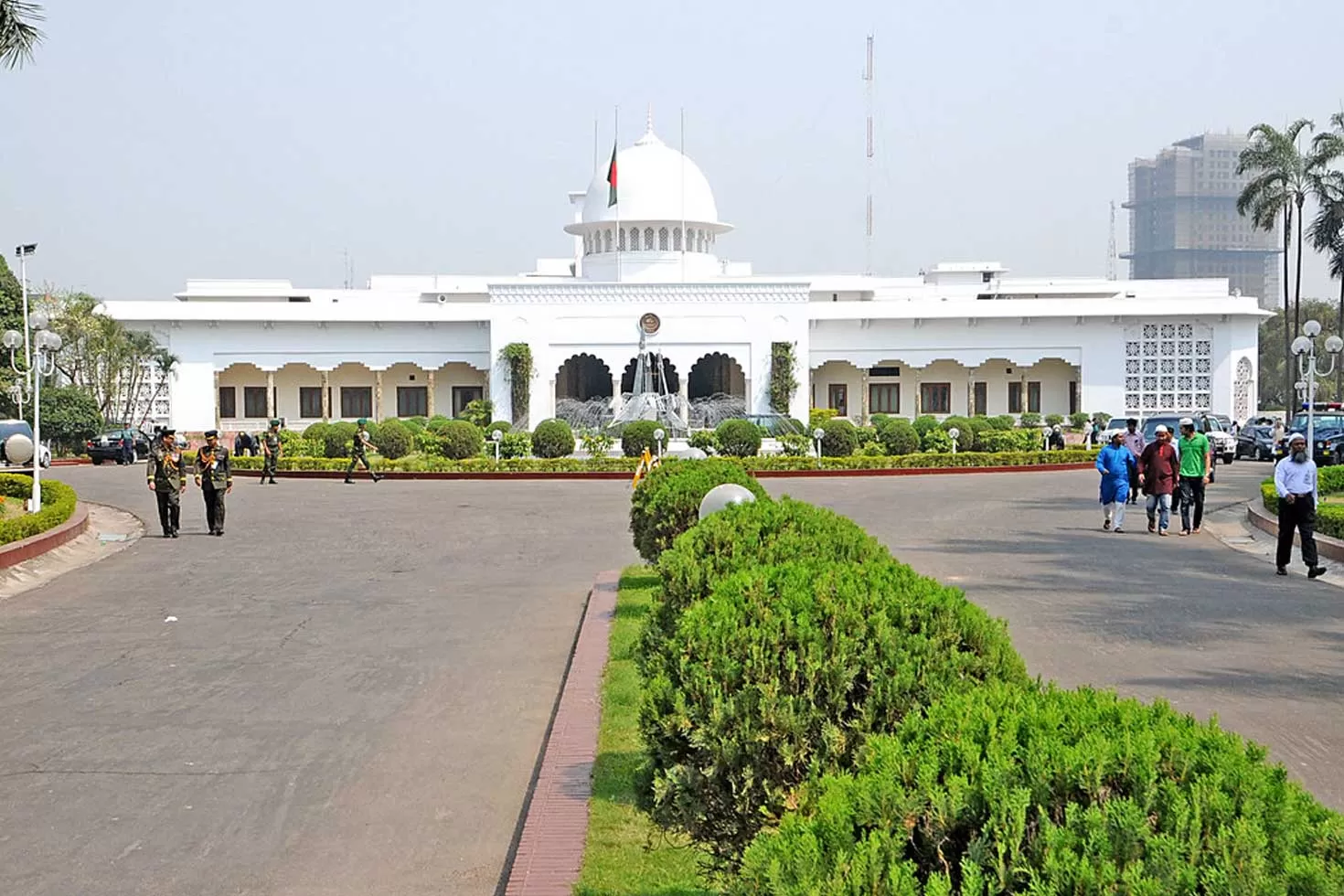
Citizens aspire to have a President who acts as a true guardian of the nation, rejecting the culture of treating Bangabhaban as a political consolation prize or an avenue for personal travel, formality, and state luxury. The country needs an individual who treats the presidency as a sacred constitutional duty, remains deeply accountable to the public, and values state responsibility over personal comfort or prestige. The public also rejects candidates with obscure political or social track records whose identities would require public searching upon announcement; instead, the ideal candidate should possess long-standing contributions to national, political, or social life, earning respect through merit and service rather than mere party loyalty. Individuals with controversial past actions must be thoroughly scrutinized before consideration, ensuring the office is occupied by an unblemished leader who will stand firm against unconstitutional pressures or threats to democracy.
Past experiences with non-political or detached figures in key state positions have not always been positive, leading the public to prefer a President who has emerged from among the people, understands political realities, and has sacrificed for democracy and the rule of law. A politician who has risen from the grassroots, championed civil rights, and endured struggles for democracy would bring greater dignity to the presidency. Having assumed state responsibility under the leadership of Tarique Rahman after extensive political struggles, the BNP has valuable lessons to draw from past presidential appointments. The party is well aware that prioritizing unquestioning loyalty over merit damages the prestige of the highest constitutional office and yields no long-term benefits for the party, the public, or the democratic system. Therefore, the nation expects the BNP to rise above partisan considerations and carefully select an experienced, honest, dignified, and universally acceptable leader as President, given that the country possesses no shortage of qualified individuals—only the necessity of the political will to choose them.